PlasmaCrop — home

PlasmaCrop

On-Site Adaptive Crop Inputsto Reduce Synthetic Greenhouse Inputs

PlasmaCrop generates Plasma-Activated Water on-site to reduce synthetic nitrogen dependence, support crop performance, and lower disease pressure in greenhouse production.

Built today

PAW reactor and initial crop validation

Next layer

Crop-specific Recipe Engine and greenhouse integration

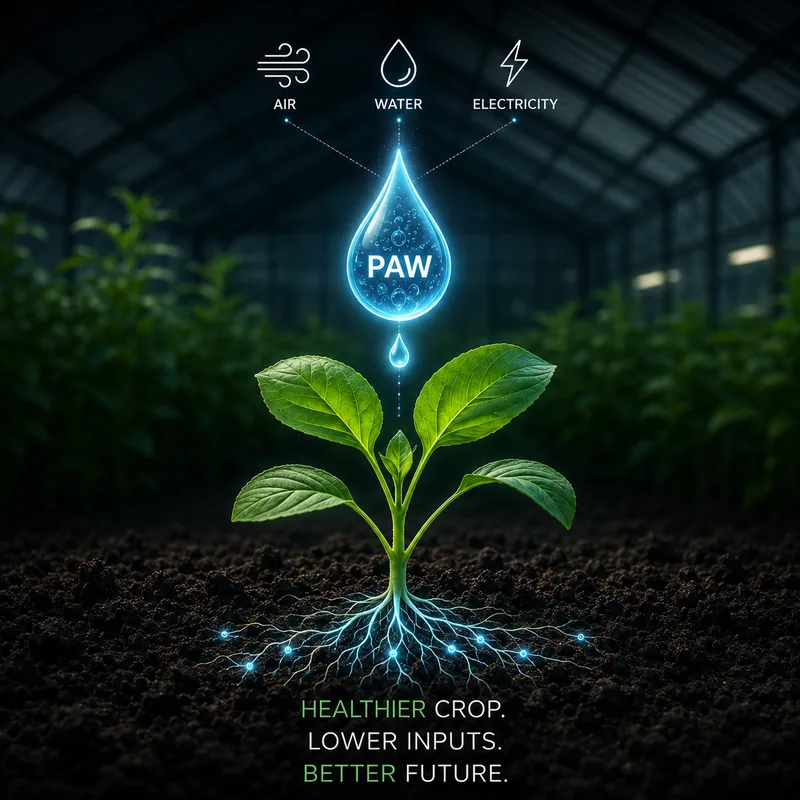
Plasma-Activated Water supporting healthier crops with lower inputs
On-site PAW reactor

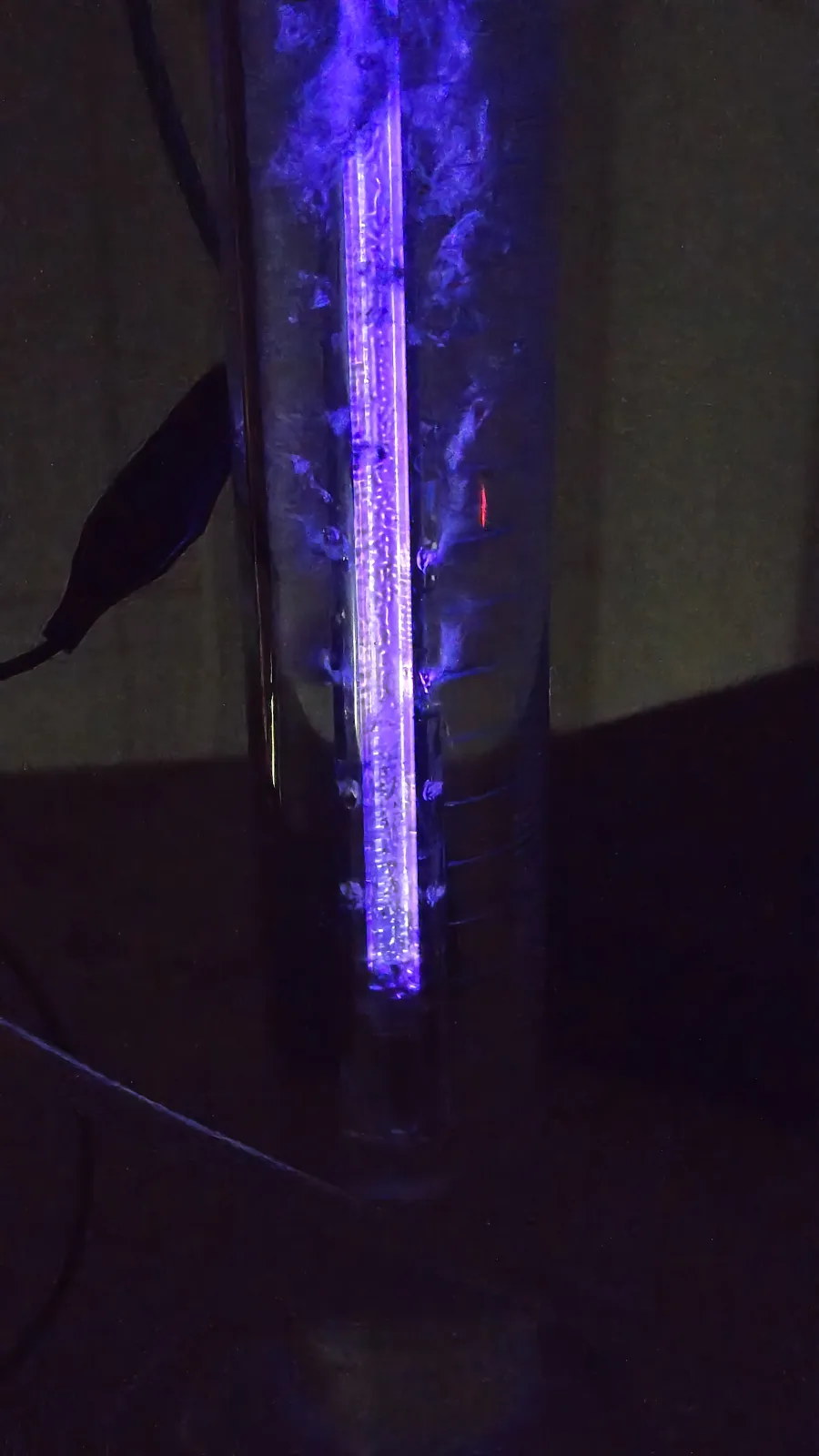
Working PAW reactor

Built and operating in laboratory conditions

Growing crop

2 crops initially trialed

Tomato and bell pepper

Peer-reviewed research

5+ years of plasma-agriculture R&D

Supported by peer-reviewed research
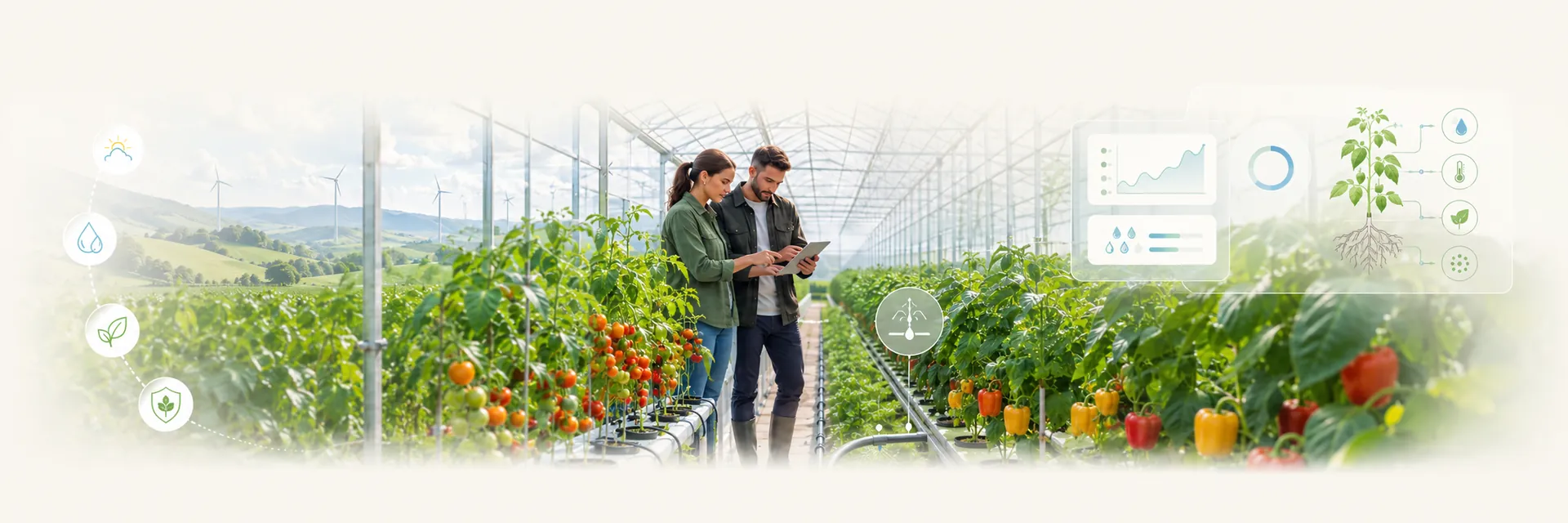
Next milestone: Establish PlasmaCrop OÜ and launch Baltic-Nordic greenhouse pilots from Estonia.

The Problem

Greenhouse Growers Need Lower-Input, More Adaptive Production

Fertilizer costs, disease pressure, and stricter residue expectations are increasing production risk, while conventional input programs remain dependent on externally supplied chemicals and fixed treatment schedules.

01

High Dependence on Purchased Inputs

Synthetic fertilizers and crop-protection products remain recurring and volatile operating costs. Growers have few practical alternatives that can be produced directly at the greenhouse.

Need

Reduce external input dependence without performance loss

02

Disease Pressure Drives Repeated Chemical Use

Humid greenhouse conditions increase fungal and bacterial pressure, affecting yield, quality, and residue management. Retailers and buyers are also demanding lower-residue production.

Need

Lower-chemical disease-pressure reduction

03

Fixed Programs Ignore Changing Crop Conditions

Fertigation and crop-protection schedules are often standardized across the crop cycle, even though crop needs change with variety, growth stage, climate, and irrigation conditions.

Need

More responsive, condition-aware input strategies

The Market Gap

An on-site crop-input system that reduces chemical dependence and adapts treatment to real greenhouse conditions.

+8.0% YoY

Input Costs Continue to Rise

Fertilizer prices in Q4 2025 (Eurostat, 2026)

20%

EU 2030 Target

At least 20% reduction in fertilizer use (EU Farm to Fork Strategy)

Stricter limits

Retailer Pressure Is Real

Many retailers set residue limits stricter than regulation

The Solution

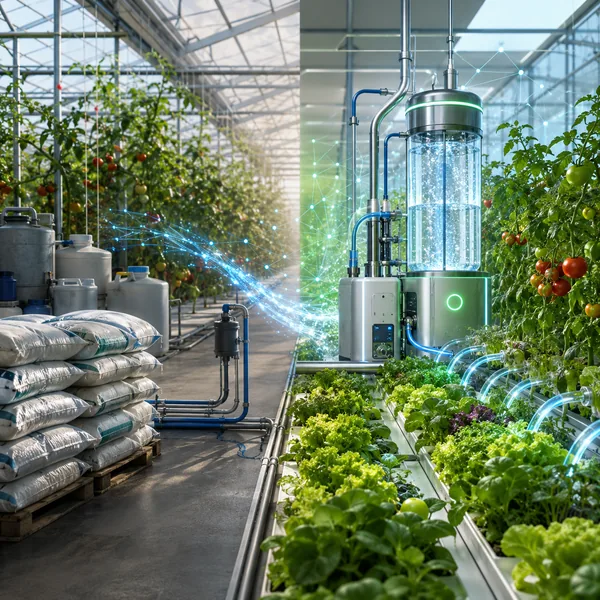
Not Just a PAW Reactor — An Adaptive Crop Input System

PlasmaCrop generates on-site Plasma-Activated Water and adapts treatment recipes to crop and greenhouse conditions—reducing synthetic input dependence, improving crop performance, and lowering disease pressure.

Most PAW systems operate with fixed or manually adjusted settings. PlasmaCrop combines a greenhouse-ready reactor with a developing Recipe Engine that converts crop and environmental data into crop-specific operating parameters within grower-defined limits.

Greenhouse monitoring and crop data capture
Planned
1

Crop and greenhouse data

Capture Conditions

Sensors and greenhouse records capture crop type, growth stage, climate, irrigation, and plant response.

SensorsClimate dataPlant response
AI-assisted crop recipe concept
Planned
2

Crop-specific parameter selection

Calculate the Recipe

The Recipe Engine recommends voltage, treatment time, and gas flow based on the targeted crop effect.

Recipe EngineCrop-specific output
Plasma-Activated Water generation equipment
Built
3

On-site PAW generation

Generate & Deliver

The reactor produces PAW on demand and delivers it through the existing irrigation system.

On-siteIrrigation-integrated
Planned

Learning Loop

Yield, quality, and sensor data feed back into the recipe library, improving future recommendations across crops and greenhouse sites.

Crop Data → Recipe → PAW Output → Crop Response → Improved Recipe

Once steps 1–2 are built, this is the logic that connects them.

Irrigation-compatible delivery

Connects PAW production to existing irrigation infrastructure

Operator oversight

Recommendations remain within predefined grower and safety limits

Future monitoring layer

Dashboard, alerts, recipe status, and performance tracking

PlasmaCrop transforms fixed crop-input programs into an adaptive, greenhouse-integrated input system.

Innovation Advantage

From Fixed PAW Generation to Adaptive Crop Inputs

PlasmaCrop combines on-site PAW generation — built and validated — with a planned crop-specific, AI-driven recipe system, an approach not yet publicly demonstrated by existing PAW competitors.

External Chemical Source · Static / Fixed Inputs

Conventional Fertilizers

Yara, ICL, Van Iperen

Fixed NPK and fertigation programs, externally supplied.

External Chemical Source · Dynamic / AI-Driven Inputs

Precision Platforms

Source.ag, Blue Radix, Priva, Ridder

Data-driven climate and irrigation optimization, still dependent on external fertilizer and crop-protection inputs.

On-Site Generated · Static / Fixed Inputs

PAW / Plasma Input Generators

VitalFluid, Aqtiva, Plasma Waters, PAWER Solutions

Established and commercially deployed systems offering fixed-protocol PAW rather than adaptive output.

On-Site Generated · Dynamic / AI-Driven Inputs

PlasmaCrop

Built reactor + planned Recipe Engine

On-site PAW generation, built and validated, plus a planned AI-driven crop-specific recipe system.

Where competitors stand

VitalFluid logo

VitalFluid — Netherlands

Market leader, 2 patents, €5M+ raised, 30+ trials, commercially deployed. Fixed-protocol, not real-time adaptive.

Aqtiva logo

Aqtiva — Canada

Patented microbubble plasma technology, published germination results. Fixed-protocol.

Plasma Waters logo

Plasma Waters — US, multi-country

Well-capitalized, experienced leadership team. Hardware/generator-focused.

PAWER Solutions logo

PAWER Solutions

Smaller player, generator-focused, no adaptive positioning found.

Development advantages

Deep technical grounding

Deep technical grounding

Reactor built on founder's plasma-physics research and Tartu University collaboration, validated on tomato and bell pepper.

Early crop-response data

Early crop-response data

Initial results across 2 crops linking reactor parameters to outcomes.

Adaptive recipe direction

Adaptive-recipe direction

AI-driven, crop-specific approach not yet publicly pursued by established PAW competitors.

Founder expertise

Founder expertise as a moat

Rare combination of plasma physics and agricultural application knowledge.

IP status: Reactor design currently protected as a trade secret. Formal IP protection will be evaluated as the company scales; a freedom-to-operate assessment is recommended given existing patents in the PAW space, including Aqtiva.

Market Opportunity

A Focused Entry into Europe’s Greenhouse Market

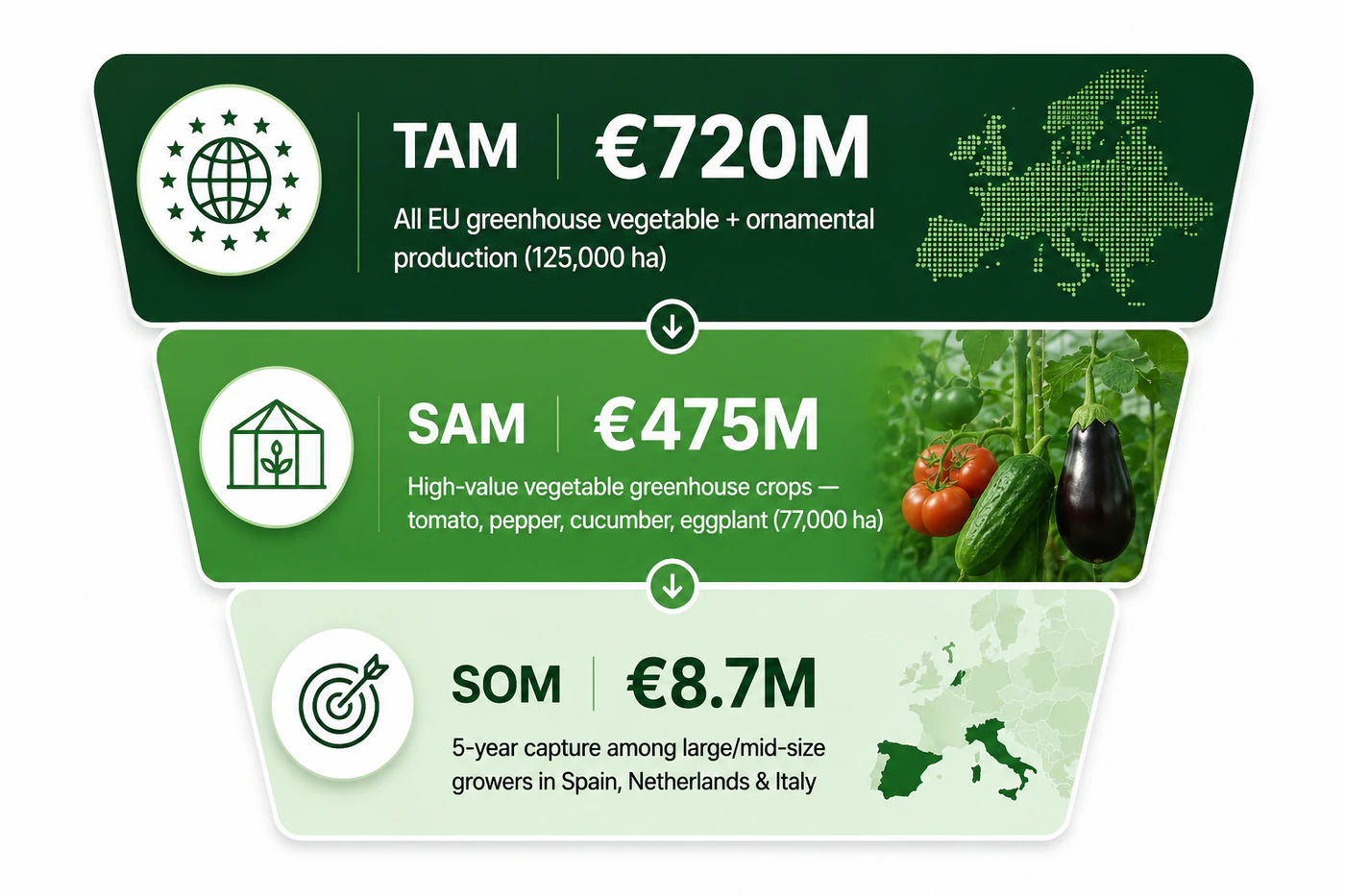
PlasmaCrop will begin with high-value vegetable greenhouses where fertilizer use, disease pressure, and crop quality directly affect grower margins. Estonia provides the company base, while Baltic-Nordic pilots create evidence for expansion into Europe’s larger greenhouse clusters.

TAM

€720M

All EU greenhouse vegetable + ornamental production (125,000 ha)

SAM

€475M

High-value vegetable greenhouse crops — tomato, pepper, cucumber, eggplant (77,000 ha)

SOM

€8.7M

5-year capture among large and mid-size growers in Spain, Netherlands, and Italy

Initial Beachhead Market

Initial crops

Tomato and bell pepper

Initial customers

Commercial greenhouse growers and multi-site operators

Initial geography

Estonia, Finland, and nearby Baltic-Nordic markets

These customers provide controlled environments for validating crop response, system integration, input reduction, and operational reliability.

2–3

Pilot greenhouses for initial validation

1–2

Crop-specific protocols

5–10 ha

Target pilot coverage

15–20 ha

Year 2 commercial pipeline

European Scale-Up Opportunity

Target regions

Netherlands · Italy · Spain · Nordic and Baltic markets

Target customer segments

  • High-value vegetable greenhouse growers
  • Multi-site greenhouse operators
  • Greenhouse technology providers
  • Fertigation and irrigation partners
  • Agricultural input distributors

Estonia-to-Europe Growth Path

01

Estonia

Company and product development

02

Baltic-Nordic Region

Pilot validation and reference customers

03

European Greenhouse Clusters

Partner-led commercial scale-up

Estonia is the operating base; Europe’s high-value greenhouse sector is the scale-up market.

Strategic location

Access to EU market, talent, and innovation ecosystem.

Strong partnership

Research institutions, greenhouse tech providers, and growers.

Scalable model

Built for replication across greenhouse clusters in Europe.

Clear path to value

Lower inputs, better yields, cleaner production, and higher grower margins.

Business Model

Land with Hardware. Expand through Recurring Intelligence

PlasmaCrop's revenue builds in phases — starting with hardware and service revenue available at launch, expanding to AI-driven recipe revenue as that layer is developed.

PlasmaCrop reactor deployment concept

Phase 1 — available at launch

Reactor Deployment

On-site PAW generation hardware

Greenhouse-ready PAW reactors deployed through installation, leasing, or site-based deployment packages.

Revenue type

Setup fee + reactor deployment or lease fee

Customer value

On-site input generation without changing existing irrigation

Maintenance and technical support

Phase 1 — available at launch

Services & Maintenance

Reliable operation inside greenhouse workflows

Technical support, reactor maintenance, calibration, water-quality checks, and performance monitoring.

Revenue type

Monthly or annual service contract

Customer value

Lower operational risk and reliable PAW output

AI platform and crop optimization

Phase 2 — once the Recipe Engine is built

AI Platform Subscription

Planned recipe engine, dashboard, and optimization
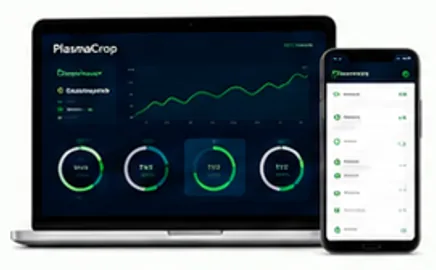
Growers subscribe to adaptive crop-specific optimization based on sensor and yield feedback.

Revenue type

Recurring subscription per site or hectare

Customer value

Adaptive recommendations and performance visibility

Crop-specific protocol development

Phase 2 — once the Recipe Engine is built

Crop-Specific Protocols

Validated recipes for additional crops

Protocols expand beyond tomato and bell pepper to other high-value crops as trials grow.

Revenue type

Protocol development fee + recipe licensing

Customer value

Validated inputs extended through partner networks

Revenue-to-Customer Mapping

Reactor deployment + service contracts

Direct relationships with vegetable greenhouse growers and multi-site operators, starting with tomato and bell pepper.

AI platform subscription — once built

The same direct grower base, upsold after pilot validation.

Crop-specific protocol licensing

Greenhouse technology providers, fertigation and irrigation partners, and agricultural input distributors.

Pricing Logic

Grower spend benchmark

€6.2k /ha/yr

SAM blended average (€5.5k ES/IT → €12k high-tech NL)

Initial capture — Phase 1

€1.2k /ha/yr

Reactor + service only; ~20% wallet share (assumption)

Mature target — Phase 2

€2.8k /ha/yr

+ AI Recipe Engine; ~45% wallet share, capped (assumption)

Team & Execution Plan

Core Founders, Estonia-Based Execution

Hadi Noori will relocate to Estonia and lead PlasmaCrop OÜ full-time, supported remotely by the founding team.

Core Founders

Dr. Hadi Noori

Dr. Hadi Noori

Plasma Technology Lead

51%

Estonia-based full-time founder

Leads plasma physics, PAW generation, reactor concept, plasma chemistry, technical validation, and IP strategy.

Zohreh Rahmanipour

Zohreh Rahmanipour

Product & Commercialization Lead

19%

Remote core co-founder

Leads product definition, greenhouse workflow design, customer discovery, commercialization planning, and technical-market coordination.

Specialist Co-founders & Shareholders

Meysam Izadmehr

Co-founder / AI & Software Lead

15%

Remote or part-time expert contribution

Supports Recipe Engine logic, greenhouse data modeling, software architecture, digital product roadmap, and dashboard development.

Dr. Fatemeh Nasibi

Co-founder / Plant Biology Lead

15%

Remote or part-time expert contribution

Supports crop selection, plant physiology, agronomic testing, PAW protocol design, and crop-response validation.

Research Foundation

Microscope representing plasma-agriculture research

5+ years

Plasma-agriculture R&D

Plasma reactor configuration

3

Plasma configurations evaluated

Growing plant representing crop studies

Multiple

Crop studies across growth, stress tolerance, and shelf life

Research publication document

10+

Peer-reviewed publications

Why Estonia

2019

First research visit to the Plasma Physics Lab, University of Tartu

2022

Second visit as research assistant

Ongoing

Collaboration with Indrek Jõgi, University of Tartu, including joint publications

Relocation extends a technical relationship that predates the company.

12-Month Execution Milestones

Months 1–2

Estonia setup

Months 3–4

Pilot agreements

Months 5–9

PAW protocol validation

Months 10–12

Commercial readiness

Success Metrics — All Target

2–3

Baltic-Nordic pilot greenhouses

1–2

Crop-specific protocols

5–10 ha

Pilot coverage

15–20 ha

Year 2 growth ambition

Validation & Traction

From Lab Chemistry to Crop Response

Reactor development, peer-reviewed plasma chemistry, and internal crop trials together form the evidence base for PlasmaCrop's approach.

PlasmaCrop reactor operating in laboratory conditions
Built

Reactor Development

  • 3 reactor configurations evaluated
  • Converged on a practical, applied design
  • Built and operating in lab conditions

Crop Trial Results

Growth-chamber, unpublished team data
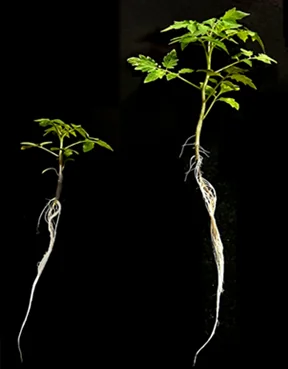
Tomato control and PAW-treated plant comparison

Tomato — PAW vs control

+200%

Leaf Area

+54%

Chlorophyll Content

+30%

Root Length

+86%

Leaf Number
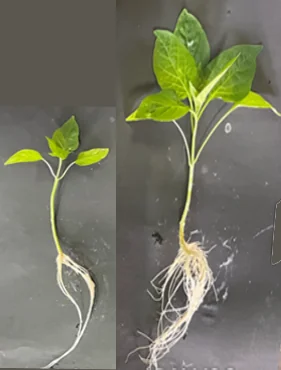
Bell pepper control and PAW-treated plant comparison

Bell pepper — PAW vs control

+90%

Leaf Area

+40%

Chlorophyll Content

+30%

Root Length

+78%

Leaf Number

PAW Chemical Characterization

Peer-reviewed publications

  1. 1Water dissolution of nitrogen oxides produced by ozone oxidation of nitric oxide
  2. 2Nitrite and Nitrate Production by NO and NO₂ Dissolution in Water Utilizing Plasma Jet Resembling Gas Flow Pattern
  3. 3Practical study for preparing ozonated water using diffuser and effects of temperature and treatment time

Experimental Achievements

  • Developed DBD reactors with 10–6,000 ppm ozone control.
  • Tuned NO₂⁻/NO₃⁻ ratios from 0.8 to 5.3.
  • Achieved 78% N₂O₅ transfer into water.
  • Reached 3.5 ppm dissolved ozone at 2°C.
  • Identified diffusion-limited mass transfer as a key design factor.

Next Validation Step

Move from growth-chamber trials to Baltic-Nordic greenhouse pilots in Estonia and Finland — the next phase this visa application enables.

Help Build the Next Greenhouse Input System

PlasmaCrop is seeking 2–3 Baltic-Nordic pilot greenhouses to validate crop response, system integration, input reduction, and operational reliability.

Start a Pilot Conversation

Grow tomatoes or bell peppers in Estonia, Finland, or a nearby Baltic-Nordic market? Tell us about your greenhouse and current input program.

Hadi Noori, founder of PlasmaCrop

Hadi Noori · Founder, PlasmaCrop

hadi-noori@hotmail.com

Discuss a Pilot

Tell us about your greenhouse and we'll get in touch.